
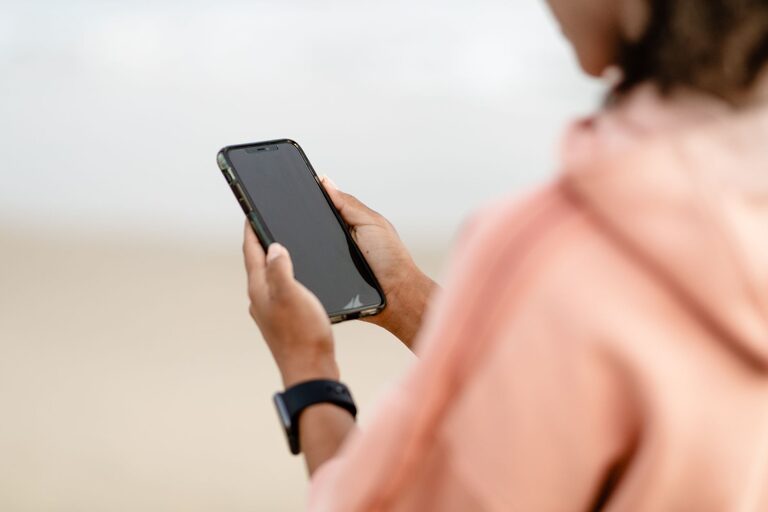
In today’s world, smartphones are essential tools that help us stay connected, informed, and entertained. However, excessive or mindless phone use can interfere with productivity, sleep, relationships, and overall well-being. Developing healthy phone habits allows you to enjoy the benefits of technology without feeling overwhelmed or distracted.
This article offers practical guidance on how to maintain balanced phone use and create a healthier relationship with your device.
Why Healthy Phone Habits Matter
Before jumping into the tips, it’s useful to understand why healthy phone habits are important:
– Reduces stress and anxiety: Constant notifications and checking your phone can increase stress.
– Improves focus and productivity: Minimizing distractions helps you get tasks done efficiently.
– Enhances sleep quality: Using phones before bedtime can disrupt your natural sleep cycle.
– Strengthens relationships: Being present with family and friends improves connections.
– Supports mental well-being: Balanced phone use can prevent feelings of overwhelm or digital burnout.
With these benefits in mind, let’s explore how to develop healthy habits.
Set Boundaries for Phone Use
1. Define Phone-Free Times and Zones
Creating specific times and areas where phone use is off-limits can help you disconnect and recharge:
– During meals: Avoid phones at the table to engage with others and enjoy your food.
– Before bedtime: Set a cutoff time (e.g., 30 minutes to an hour before sleep) to help your brain unwind.
– In social settings: Focus on conversations by putting your phone away.
– Work hours: Use phone-free periods to stay focused on tasks.
2. Use Screen Time and App Limits
Most smartphones have built-in tools to track and limit usage:
– Set daily time limits on distracting apps such as social media or games.
– Review your screen time reports regularly to understand your habits.
– Use “Do Not Disturb” mode during meetings or important tasks.
Make Your Phone Work for You
3. Customize Notifications
Not all notifications require your immediate attention. Tailor them by:
– Turning off non-essential alerts.
– Choosing which apps can send notifications.
– Using vibration or silent modes during focus periods.
This reduces interruptions and helps you stay in control.
4. Organize Your Home Screen
A cluttered home screen can encourage distraction. Simplify by:
– Keeping only essential apps visible.
– Grouping apps into folders based on purpose.
– Placing productivity or educational apps within easy reach.
This setup can minimize unnecessary browsing.
Practice Mindful Phone Use
5. Pause Before Unlocking
Create a habit of asking yourself why you want to use your phone before unlocking it. Is it to check an important message, or are you bored? Mindful awareness helps reduce impulsive checking.
6. Use Phones for Positive Activities
Limit passive scrolling by engaging in purposeful activities such as:
– Reading news or articles.
– Learning a new skill with educational apps.
– Connecting with family or friends through meaningful conversations.
Take Care of Your Physical Health
7. Maintain Good Posture
Prolonged phone use can cause neck or back strain. To avoid discomfort:
– Hold your phone at eye level when possible.
– Take regular breaks to stretch and move.
– Use ergonomic setups when working with your phone.
8. Protect Your Eyes
Follow the 20-20-20 rule to reduce eye strain:
– Every 20 minutes, look at something 20 feet away for 20 seconds.
– Adjust screen brightness to comfortable levels.
– Use blue light filters or night mode in the evening.
Create Offline Opportunities
9. Schedule Phone-Free Activities
Incorporate hobbies and activities that don’t involve screens, such as:
– Outdoor walks or exercise.
– Reading physical books.
– Cooking or creative projects.
These moments refresh your mind and reduce dependency on your phone.
10. Connect Face-to-Face
Prioritize in-person interactions to build deeper relationships and reduce reliance on digital communication.
Tips for Parents and Caregivers
If you’re guiding children or teens in phone use:
– Set clear rules and boundaries together.
– Model healthy phone habits yourself.
– Encourage educational and creative app use.
– Monitor screen time but respect privacy and encourage open dialogue.
Conclusion
Healthy phone habits are about balance. By setting boundaries, customizing your device, practicing mindfulness, and prioritizing offline activities, you can enjoy your phone’s benefits without feeling overwhelmed. Start with small changes and build routines that support your well-being and productivity every day. Remember, your phone should serve you — not control you!
About the Author