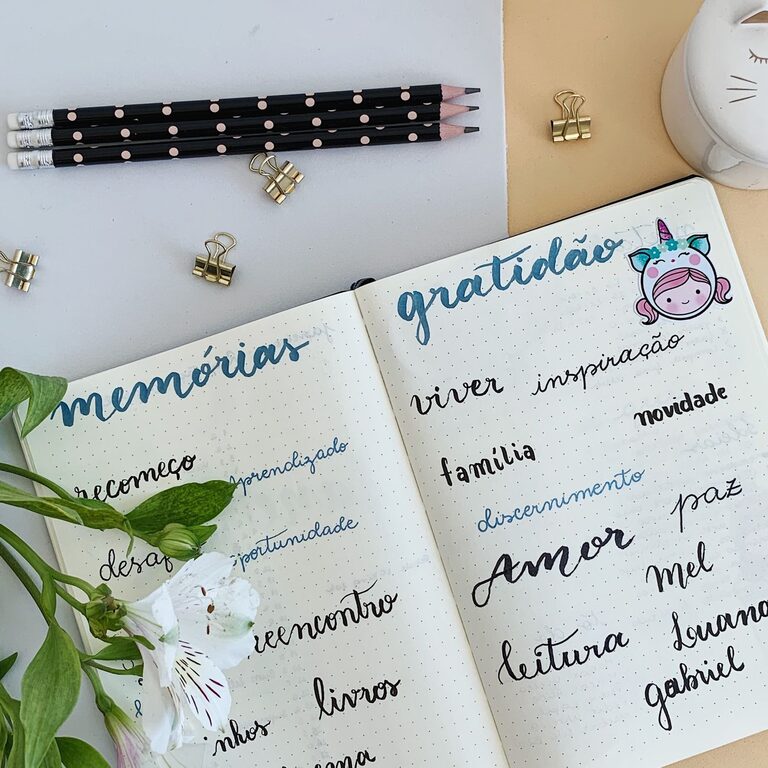

Creating a calmer evening routine can have a big impact on your overall well-being. After a busy day, winding down mindfully helps reduce stress, improve sleep quality, and prepare you for the next day. The good news is that small changes can make a meaningful difference without requiring a complete overhaul of your habits.
In this post, we’ll explore easy-to-implement ideas to help you build a more peaceful and restorative evening routine.
Why a Calmer Evening Routine Matters
Our evenings set the tone for our nights. When we rush through the end of the day or fill it with screen time and tasks, it can be harder to relax and fall asleep. Stress or overstimulation before bed can disrupt your sleep cycle and leave you feeling tired the next day.
A calmer routine promotes relaxation, signaling to your mind and body that it’s time to rest. This can lead to better sleep, improved mood, and increased energy during the day.
Small Changes to Try Tonight
1. Dim the Lights
As bedtime approaches, lower the brightness in your home. Bright lights, especially blue light from screens or overhead bulbs, can interfere with your body’s natural sleep signals.
– Use lamps or string lights instead of harsh ceiling fixtures
– Consider warm-toned bulbs that create a cozy atmosphere
– Limit screen time or use night mode settings to reduce blue light exposure
2. Limit Screen Time
Electronic devices emit blue light and keep your brain alert, which can delay sleepiness.
– Set a “screen curfew” 30–60 minutes before bed
– Replace screen time with relaxing activities like reading a book, journaling, or listening to soft music
3. Create a Relaxing Space
Make your evening environment inviting and calm.
– Tidy up clutter to reduce distractions
– Use calming scents like lavender or chamomile through candles or essential oil diffusers
– Play gentle background sounds such as white noise or nature sounds
4. Incorporate Gentle Movement
Light physical activity in the evening can help release built-up tension.
– Try gentle yoga poses focused on stretching and breathing
– Take a short, leisurely walk outdoors
– Practice simple deep breathing exercises to calm your nervous system
5. Establish a Consistent Bedtime
Going to bed and waking up at consistent times helps regulate your internal clock.
– Aim to stick to your bedtime even on weekends
– Develop a pre-sleep ritual that you perform every night, signaling it’s time to wind down
6. Avoid Heavy Meals and Caffeine Late in the Day
Eating large meals or consuming caffeine close to bedtime can disrupt digestion and make it harder to fall asleep.
– Opt for lighter snacks if needed in the evening
– Avoid caffeine in the afternoon and evening hours
7. Practice Mindfulness or Meditation
Mindfulness techniques help reduce racing thoughts and stress.
– Spend 5-10 minutes focusing on your breath and letting go of worries
– Use guided meditation apps designed for sleep and relaxation
– Write down any lingering thoughts in a journal to clear your mind
Sample Calmer Evening Routine to Try
Here’s a simple routine incorporating these small changes:
– 7:30 PM: Dim the lights and turn off screens
– 7:45 PM: Prepare a light snack and herbal tea
– 8:00 PM: Gentle stretching or yoga session (10 minutes)
– 8:15 PM: Relax with a book or listen to soothing music
– 8:45 PM: Practice mindfulness meditation or journaling
– 9:00 PM: Begin bedtime ritual (wash face, brush teeth)
– 9:15 PM: Get into bed and enjoy quiet time or light reading
– Aim to turn off the lights by 9:30 PM
Of course, adjust timings to fit your schedule. The key is consistency and creating habits that signal relaxation.
Tips for Staying on Track
– Start with one or two small changes rather than all at once
– Be patient—new routines take time to feel natural
– Track your progress and notice improvements in sleep or mood
– Customize your routine based on what feels most calming to you
Final Thoughts
Small adjustments to your evening routine can help transform the way you wind down each day. By dimming the lights, reducing screen time, practicing mindfulness, and seeking gentle movement, you create a peaceful environment that supports restful sleep and mental calm.
Try incorporating these tips one at a time to find what helps you feel most relaxed. Over time, your evenings can become a favorite part of the day—a calm, nurturing space to recharge and prepare for tomorrow.
About the Author