
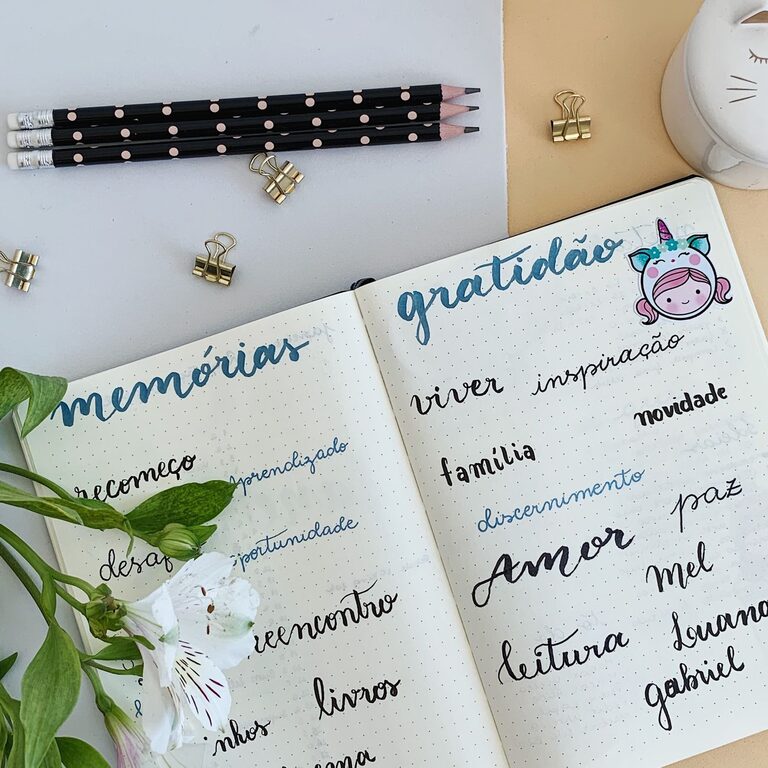
Gratitude journaling is a powerful practice that helps many people feel more positive, focused, and content in their daily lives. Starting a gratitude journal is simple and doesn’t require special skills or time commitment. In this post, you’ll learn what a gratitude journal is, why it matters, and step-by-step guidance on how to begin your own.
What Is a Gratitude Journal?
A gratitude journal is a personal diary where you write down things you are thankful for each day or regularly. These can be big or small moments, such as a kind word from a friend, a sunset, or simply good health. The goal is to shift your attention from what’s lacking to what’s abundant in your life.
Why Keep a Gratitude Journal?
Practicing gratitude through journaling can improve mental well-being in several ways:
– Boosts positivity: Focusing on positive experiences helps reduce negative thinking.
– Enhances mindfulness: Writing encourages you to slow down and notice the present.
– Improves sleep: Reflecting on good things before bed can promote relaxation.
– Strengthens relationships: Recognizing kindness increases feelings of connection.
– Builds resilience: Gratitude can help you cope better with challenges.
How to Start Your Gratitude Journal
Starting is easy! Here’s a straightforward plan you can follow.
1. Choose Your Journal
Find a notebook or digital tool you enjoy using. It could be a simple spiral notebook, a fancy journal, or an app on your phone. The important part is that it feels inviting and accessible.
2. Pick a Time to Write
Decide when you want to write in your journal. Many prefer mornings to set a positive tone for the day, while others like evenings to reflect on the day’s good moments. Choose a time that fits your routine.
3. Keep It Simple
Start by listing 3 to 5 things you are grateful for each day. These can be specific events, people, experiences, or even personal qualities you appreciate about yourself.
4. Be Specific and Detailed
Instead of writing “I’m grateful for my family,” try “I’m grateful for my sister’s call today because it made me laugh.” Adding details makes your gratitude more meaningful and vivid.
5. Include Why You’re Grateful
Sometimes including why you feel thankful adds depth. For example, “I’m grateful for my morning coffee because it helps me start my day with calm and focus.”
6. Use Prompts When Stuck
If you find it hard to think of things, prompts can help spark ideas. Examples include:
– What made me smile today?
– What is something I take for granted?
– Who helped me recently?
– What’s a recent challenge I overcame?
– What simple pleasure did I enjoy today?
7. Make It a Habit
Consistency is key for seeing benefits. Try to write in your gratitude journal every day or several times a week. Setting a reminder or linking journaling to an existing habit (like after brushing your teeth) can help.
Tips for Maintaining Your Gratitude Journal
– Be honest: Write what feels true to you, not what you think you should be grateful for.
– Mix it up: Vary your entries so journaling stays interesting.
– Reflect occasionally: Read back over past entries to notice growth and patterns.
– Don’t stress: If you miss a day or two, just start again. There’s no pressure.
– Share if you want: Sometimes sharing your gratitude with others can deepen your practice.
Conclusion
Starting a gratitude journal is a simple yet effective way to enrich your life. By regularly recognizing the good around and within you, you invite more joy and peace into your daily experience. Pick your journal, set a comfortable routine, and begin with a few thankful thoughts today—you might be surprised how this small habit can make a big difference.
Happy journaling!
About the Author