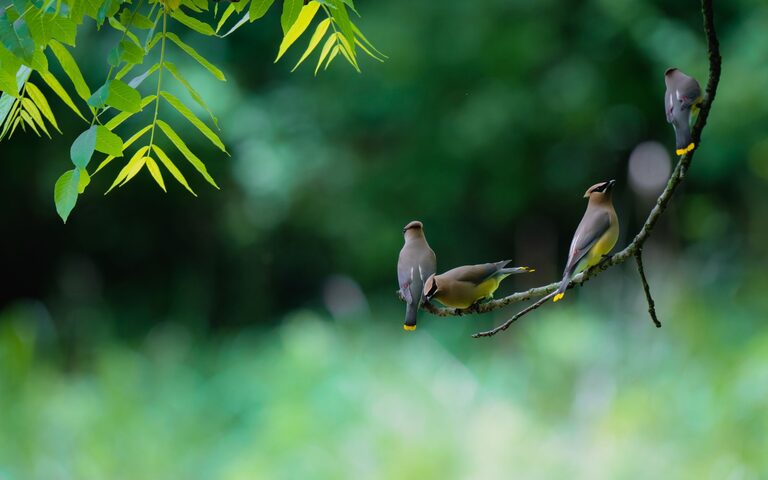
Birdwatching is a rewarding hobby that connects you with nature right in your own backyard. Whether you live in a city, suburb, or rural area, observing birds can bring relaxation, enjoyment, and a deeper appreciation for the natural world. If you’re new to birdwatching, this guide offers beginner-friendly tips to help you get started and make the most of your backyard birdwatching experience.
Why Backyard Birdwatching?
Backyard birdwatching is accessible and doesn’t require special equipment or travel. It’s a peaceful activity that helps you learn about local wildlife and promotes mindfulness. Plus, it’s a great way to share nature with family and friends.
Getting Started: What You Need
1. A Good Pair of Binoculars
While not absolutely necessary, binoculars greatly enhance your birdwatching experience. Look for a lightweight pair with 8x or 10x magnification. These provide a close-up view without disturbing the birds.
2. A Field Guide or Bird Identification App
A field guide or a bird identification app helps you recognize the birds visiting your backyard. Choose one that covers your region’s common species and offers clear photos or illustrations.
3. Notebook or Bird Journal
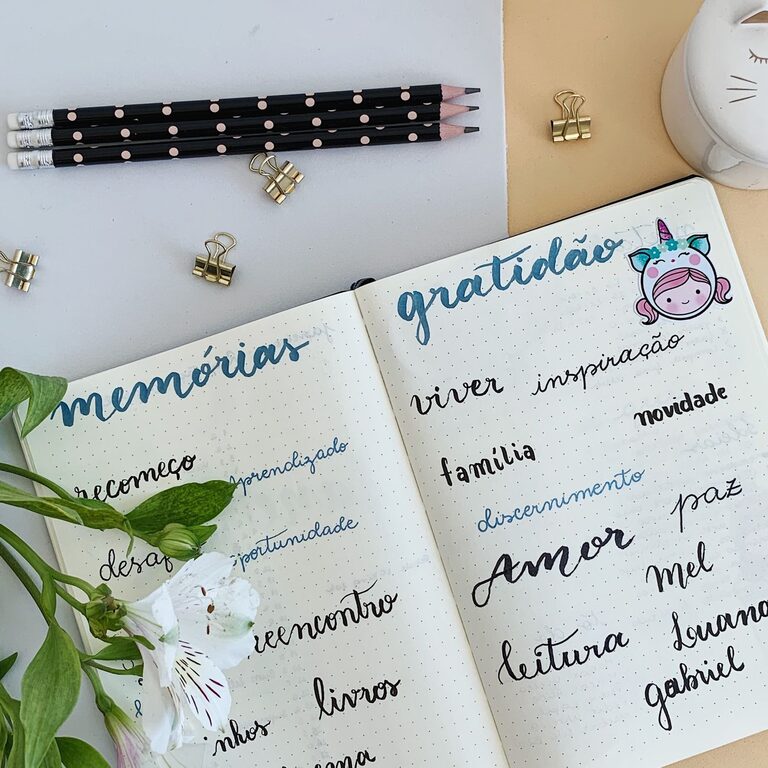
Keep a simple notebook or bird journal to record your sightings. Note the date, time, bird species, behavior, and weather conditions. Over time, this helps track patterns and increases your knowledge.
Creating a Bird-Friendly Backyard
1. Offer Food Sources
Providing food attracts a variety of birds. Use different types of feeders and foods suited to your local birds:
– Seed feeders: Filled with black oil sunflower seeds for many songbirds.
– Suet feeders: Great for woodpeckers and nuthatches.
– Hummingbird feeders: Filled with sugar water to attract hummingbirds.
– Fruit feeders: Offer sliced oranges or apples for species like orioles.
Keep feeders clean and refill regularly to prevent mold and disease.
2. Provide Fresh Water
A birdbath or small water feature gives birds a place to drink and bathe. Change the water frequently, especially in hot weather, and keep the bath clean.
3. Add Shelter and Nesting Spots
Plant native trees, shrubs, and flowers to provide natural shelter and nesting sites. Birdhouses or nesting boxes can also encourage certain species to raise young in your yard.
4. Avoid Pesticides and Chemicals
Using pesticides can harm birds directly or reduce the insects they feed on. Opt for natural gardening methods to keep your backyard safe for birds and beneficial insects.
Observing Birds: Tips for Beginners
1. Be Patient and Quiet
Birds are easily startled by noise and movement. Find a comfortable spot, stay still, and speak softly or not at all.
2. Watch During Peak Times
Birds are most active early in the morning and late in the afternoon. These times are best for spotting a variety of species.
3. Look for Movement and Listen
Birds can be hidden by foliage or blending into their surroundings. Watch for movement among branches and listen for bird calls or songs.
4. Start with Common Species
Don’t worry about identifying every bird at first. Focus on familiarizing yourself with common backyard birds like robins, blue jays, cardinals, and sparrows.
Learning and Growing as a Birdwatcher
1. Join Local Birdwatching Groups
Many communities have clubs or online groups where beginners can learn and share experiences. These groups often organize bird walks and provide helpful resources.
2. Participate in Citizen Science Projects
Contributing your bird observations to projects like the Audubon Christmas Bird Count or eBird helps scientists track bird populations and migration patterns.
3. Keep Expanding Your Knowledge
Read books, watch documentaries, and explore online birdwatching websites. Over time, you’ll recognize more species and understand bird behavior better.
Troubleshooting Common Challenges
1. No Birds Visiting?
Check if your feeders are clean and filled, if there is water nearby, and if your yard provides shelter. Adding native plants and reducing disturbances helps.
2. Squirrels or Other Pests Eating the Food?
Use squirrel-proof feeders or place feeders on poles with baffles. Feeding squirrels separately or planting a squirrel-friendly area away from feeders can also help.
3. Difficulty Identifying Birds?
Take photos or videos and compare them to pictures in your guide or app. Joining birdwatching groups can give you expert help.
Final Thoughts
Backyard birdwatching is a simple and enjoyable way to connect with nature every day. With a little patience and the right setup, you’ll soon find yourself spotting a wonderful variety of birds. Remember to keep your backyard welcoming, stay curious, and enjoy the peaceful moments that birdwatching brings.
Happy birdwatching!
About the Author