
Mindful walking is a simple yet powerful practice that combines the benefits of walking with mindfulness meditation. It’s a way to bring your full attention to each step and experience the world around you more deeply. Whether you’re seeking stress relief, better mental clarity, or a gentle way to improve your health, mindful walking offers an accessible and enjoyable method to cultivate awareness.
In this beginner guide, we’ll explore what mindful walking is, how to practice it, and tips to get started on your own journey.
What Is Mindful Walking?
Mindful walking means paying deliberate attention to the physical sensations and environment experienced while walking. Instead of walking on autopilot or letting your mind wander, you focus on the present moment—your breath, the rhythm of your steps, the feeling of your feet touching the ground, and the sights and sounds around you.
This practice encourages relaxation, clarity, and a deeper connection with yourself and nature. It is often used as a form of meditation that is accessible to people who find sitting meditation challenging.
Benefits of Mindful Walking
– Reduces stress and anxiety: By focusing on the present moment, mindful walking helps calm the mind and reduce worry.
– Improves concentration: The focused attention during walking can enhance your ability to concentrate in other areas of life.
– Boosts physical health: Walking gently improves cardiovascular health, circulation, and muscle tone.
– Enhances emotional well-being: Mindfulness promotes greater emotional balance and awareness.
– Cultivates gratitude and connection: Being aware of your surroundings can increase appreciation for nature and everyday experiences.
How to Get Started with Mindful Walking
Starting mindful walking doesn’t require any special equipment or a specific location. You can practice it almost anywhere, from your home neighborhood to a park or beach.
Step 1: Choose Your Walking Space
Pick a quiet, safe place where you won’t be easily distracted. A favorite park, a quiet street, or even a hallway at home can work well. If possible, choose somewhere with natural scenery like trees, flowers, or water for added peacefulness.
Step 2: Set an Intention
Before you begin, decide how long you want to walk mindfully. Even 5 to 10 minutes can be beneficial. Setting a gentle intention like “I will focus on my breath and steps” or “I will notice the sights and sounds around me” can help keep your attention anchored.
Step 3: Begin Walking Slowly
Start walking at a comfortable, slower-than-usual pace. This allows you to notice each movement and sensation more clearly.
Step 4: Focus on Your Breathing and Steps
– Pay attention to your breath as you walk. Notice how it feels as air enters and leaves your body.
– Notice the contact your feet make with the ground. Feel the heel touching down, the sole rolling forward, and the toes pushing off.
– Feel the movement of your legs and hips as you walk.
– When your mind wanders (which is normal), kindly bring your focus back to your breath and steps.
Step 5: Engage Your Senses
Expand your awareness to the environment by noticing:
– The colors and shapes of plants, buildings, or the sky.
– The sounds around you like birds, wind, or distant conversations.
– The smells in the air, such as fresh grass or rain.
– The temperature on your skin or the breeze against your face.
Step 6: End with Gratitude
As you finish, take a moment to appreciate your body, the walk, and the time you devoted to yourself. A few deep breaths and a gentle stretch can close the practice nicely.
Tips for a Successful Mindful Walking Practice
– Be patient: Mindfulness is a skill developed over time. Don’t worry if your mind drifts often at first.
– Practice regularly: Short daily sessions are more effective than occasional long walks.
– Stay comfortable: Wear shoes and clothing that support your physical ease.
– Use guided mindfulness apps or videos: If you find it helpful, follow a guided mindful walking exercise.
– Adapt to your surroundings: If walking outdoors isn’t possible, mindful walking can be done indoors or even walking in place.
Common Challenges and How to Overcome Them
– Distracting thoughts: Notice your thoughts without judgment and gently bring your focus back to walking.
– Physical discomfort: Walk at your own pace and choose surfaces that feel comfortable. If needed, consult a healthcare professional before starting.
– Time constraints: Even a few mindful steps during daily activities like walking to your car or the mailbox count as practice.
Incorporating Mindful Walking into Daily Life
Mindful walking can be integrated seamlessly into everyday routines:
– Use it as a break during work or study to reset your mind.
– Combine it with errands by walking mindfully to the store.
– Practice mindful walking in nature whenever possible to deepen your connection with the environment.
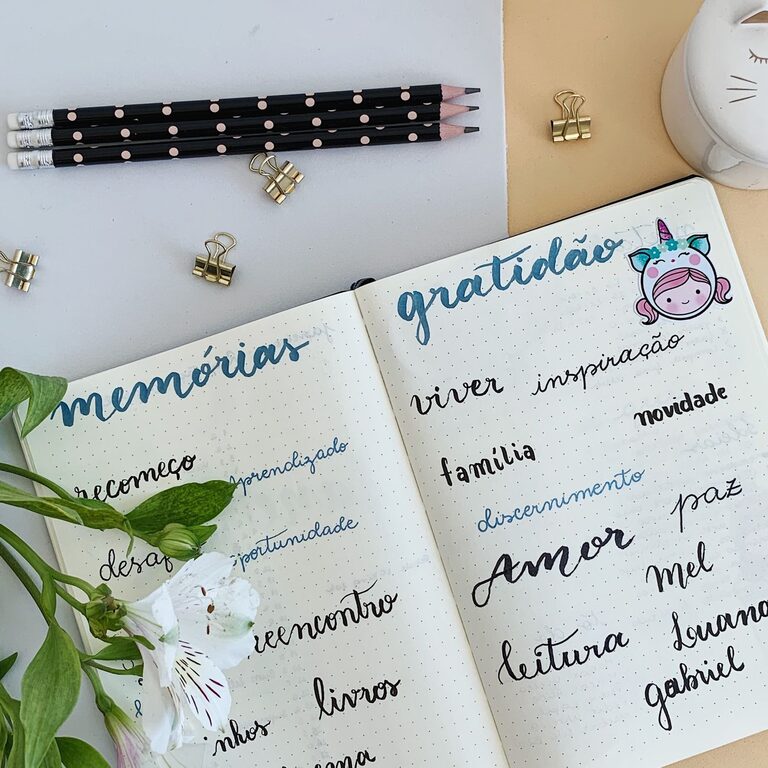
– Pair mindful walking with gratitude journaling afterward to reflect on your experience.
Final Thoughts
Mindful walking is a gentle, accessible practice that fosters calm, awareness, and a deeper connection to the present moment. With consistent effort and an open mind, it can become a valuable part of your daily routine, enhancing both mental and physical well-being.
Take your first steps today—slow down, breathe, and enjoy the world around you with mindful walking. Your mind and body will thank you.
About the Author